


Keep up with the latest developments in coaching, team development, and onboarding. Our News and Updates include News, Newsletters, Press Releases, Blogs, and More. Filter by our three areas of expertise.
Have you ever gotten this feedback?
● “To get to the next level, you need to improve your presence.”
● “You don’t have a strong enough voice at the table.”
● “You do good work, but you’ll need more gravitas to be seen as a leader.”
● “You have great vision but need to increase your followership.”
Connect the Dots has received requests from many clients seeking support in tackling this kind of feedback. As a result, we’ve crafted personalized coaching sessions and group workshops guided by research, experience, and trusted sources.
Client feedback reinforces that our solutions provide leaders with the tools and strategies to:
● Increase influence
● Create followership
● Demonstrate value
● Communicate authenticity
● Improve abilities to motivate & connect
● Be considered for future roles
Our workshop solution is for your team members who need to understand and improve their executive presence. Built on current research and practical best practices, the program empowers participants to make immediate and sustainable progress in bridging their gaps.
And, for many leaders, executive presence is an important factor in receiving promotions during their careers. One study has shown that executive presence can account for a little over one-fourth of what it takes to receive a promotion . Executive presence also has a major impact on how leaders are perceived; for example, 60% of executives agree that sounding uneducated negatively impacts how people see you.
Our facilitators are experienced executive coaches with deep experience in Executive Presence and creating a dynamic and safe learning environment. Following pre-work, program sessions generally last between four and eight hours.
Participants’ progress can be accelerated by adding 1:1 coaching sessions to support rapid development and sustainable change and reinforce workshop learnings. Coaching is also an option for individual growth and development with Executive Presence as an area of focus.
After training, participants can see immediate results when strategies and best practices are implemented. Over time, consistent practices drive dramatic positive changes in an organization’s leaders’ ability to influence, communicate, and deliver results.
Contact Connect the Dots for more information about increasing the Executive Presence on your team and driving better, faster results.
It can be a challenge to come up with the right words at the right time to demonstrate that you support team members and meet them where they are.
Leaders mean well when they try to be positive. But they often simply don’t have the vocabulary
to say the right thing at the right time, and resort to feel good aphorisms that prevent them from
truly comforting those who need it. Whitney Goodman, a licensed therapist and author of Toxic
Positivity, offers some suggestions to help understand the difference between toxic positivity and
offering validation and support.
| Toxic Positivity | Validation and Support |
| “You’ll get over it!” | “This is hard. We’ll get through it together.” |
| “Just be positive!” | “Do you want to talk about it?” |
| “Good vibes only!” | “It’s pretty normal to have some negative thoughts in this situation.” |
| “Stop being so negative!” | “It’s probably hard to be positive right now.” |
| “Think happy thoughts!” | “Do you want to talk about your options?” |
| “Never give up!” | “It sucks to feel like this. Do you want to do something together today?” |
| “Just be happy!” | “It’s probably really hard to see any good in this situation.” |
| “It could be worse!” | “I know this doesn’t make a lot of sense right now.” |
| “Everything happens for a reason!” | “I’m here for you.” |
| “Be grateful it isn’t worse!” | “I’m not going anywhere.” |
| “This isn’t easy, and you don’t have to pretend like it is.” |
If you’re serious about retaining the people on your team (as you should be), consider conducting
“stay” interviews. These are discussions where you ask loyal employees key questions to
understand how engaged they are. The information you gather can help you tackle common
retention issues. Here are four questions to try:
| What is your frame of mind today?
No matter what the response is — positive or negative — don’t negate their |
| Who do you feel connected to at work?
Based on their response, explore what you can do to help them deepen those |
| What do you want to learn that will excite you and help you grow?
This question signals that you care about their development and want to help |
| What barriers can I remove for you to help you do a better job?
Then brainstorm with your colleague how you can be most helpful. Ensuring |
This resource is adapted from “What Stops People on Your Team from Leaving?,” by Sabina Nawaz
In today’s fast-paced and ever-evolving technological landscape, it’s crucial for organizations to not just have skilled technical leaders but also develop them into great people leaders. Great leaders inspire, motivate, and drive their teams to achieve exceptional results.
Technical leaders are not limited to technology and engineering; they can also come from finance, sales, product development, medicine, data analysis, nursing, logistics, and operations.
The expectations and success profile changes considerably and leaders often need support as they navigate the next phases of their careers.
The following strategies can help technical leaders transition into great leaders:
1. Foster Emotional Intelligence
Emotional intelligence (EI) is a key trait of great leaders. Leaders with high EI are self-aware, can manage their behavior in various situations, and use empathy to coach and mentor their teams. They create a psychologically safe environment where team members feel valued and understood. To develop EI in technical leaders, organizations must provide training and coaching that focuses on self-awareness, empathy, and effective communication.
2. Encourage Continuous Learning and Development
Great leaders are lifelong learners. Encourage technical leaders to continuously develop their skills and knowledge through training programs, workshops, and conferences. Provide opportunities for them to learn about leadership, management, and other relevant topics. This not only enhances their technical expertise but also equips them with the skills needed to lead effectively.
3. Promote a Culture of Coaching and Mentoring
Coaching and mentoring are powerful tools for leadership development. Urge technical leaders to seek out mentors who can provide guidance and support. Additionally, strive to promote a culture where leaders are encouraged to coach and mentor their team members. This helps build strong relationships, fosters a sense of accountability, and drives performance.
4. Develop Strong Communication Skills
Effective communication is essential for great leadership. Technical leaders should be able to articulate their visions, provide clear instructions, and give constructive feedback. Encourage them to develop their communication skills through public speaking courses, coaching, and regular practice. Strong communication skills help leaders build trust and rapport with their teams.
5. Focus on Building High-Performing Teams
Great leaders know how to build and lead high-performing teams. Support technical leaders by focusing their development on team building, delegation, and collaboration. Provide them with the tools and resources to create a cohesive and motivated team. This includes setting clear goals, providing regular feedback, and recognizing and rewarding achievements.
6. Embrace Change and Innovation
In the ever-changing world of work, great leaders must be adaptable and open to change. Encourage technical leaders to embrace innovation and be willing to take risks. Provide them with opportunities to lead change initiatives and drive innovation within their teams. This helps them stay ahead of the curve and fosters a culture of continuous improvement.
7. Prioritize Employee Well-Being
Great leaders understand the importance of employee well-being. Encourage technical leaders to prioritize their team members’ mental and physical health. This includes promoting work-life balance, providing support for stress management, and creating a positive work environment. When employees feel supported and valued, they are more likely to be engaged and productive.
Conclusion
Developing technical leaders into great leaders requires a multifaceted approach that focuses on emotional intelligence, continuous learning, coaching, communication, team building, innovation, and employee well-being.

By implementing these strategies, organizations can cultivate leaders who excel in their technical roles and inspire and motivate their teams to achieve greatness.
For organizations looking to develop the leadership they need for success, leadership coaching is a valuable tool that can help develop best-in-class strategies to bring out the best in each leader. Connect the Dots offers targeted coaching solutions that deliver a meaningful return on investment for companies looking to hone their leadership teams. Contact us today to learn more about how we can help your technical leaders transform into great people leaders.

We’ve likely all heard the phrase, “There are no dumb questions,” in various settings in an attempt to encourage people to speak up and ask questions. While this may be a well-intentioned notion, the reality is that not enough people are asking questions. According to Fast Company, 49% of employees say they are not regularly asked for ideas. It’s not enough to assume that employees will approach leadership with their ideas or questions. Thus, it’s up to leaders to focus on asking more (and better) questions to build alignment and build meaningful relationships within their teams.
Why Questions Matter
Asking questions isn’t always just about finding the “right” answer. In fact, asking the right questions is an essential skill for a leader to hone through training, practice, and application. Still, many leaders leave it up to their employees to pose the questions.
When a panel of entrepreneurs was asked what they wished their employees talked about, one responded: “I wish my employees would talk to me more about questions or ideas they have. We have an open-door policy, so I wish more employees would stop by and be candid, direct, and assertive with me about what they’re thinking. I think they don’t because they’ve been taught you should just conform and do what you’re told. They might have it ingrained in their head to not ask questions or speak up.”
As a good leader, questions should not only be used to seek out an answer but to encourage creative thinking, problem-solving, and communication. Let’s start by defining the primary types of questions and how you can leverage them to pose better questions to your team.
All Questions are Not Equal
For leaders looking to hone their questioning skills, the most logical starting point is to know the different types of questions. There are four main categories of questions:
While closed-answer questions are useful in some scenarios, they don’t encourage creative thinking or communication.
How to Ask Better Questions
With a leader skilled in asking the right questions, teams are stronger and more inquisitive. Asking questions is a trust-builder for leaders and teams, strengthening relationships and enhancing employee development. For many leaders, the art of asking questions is not an innate skill, so it requires practice to perfect. Here are three relatively simple steps to start asking your team better questions:
Following these techniques, leaders can transform their teams into valuable sources of ideas and innovation by asking the right questions. Asking questions enables a team to look at a problem from all angles to identify the best solution while strengthening bonds of collaboration and communication. As a result, teams are more cohesive and can come together to solve challenging problems.
Are your leaders struggling to nurture their teams? Contact Connect the Dots Consulting and we can help guide your leaders to ask the right questions that create successful teams.
Here are the remaining two of the six strategies borrowed from executive onboarding that you can implement immediately to quickly build organizational knowledge and key relationships and deliver timely feedback to adjust and avoid negative turnover.
As a quick review, part 1 in this 3-part series focused on two onboarding strategies for new hires: 1) making a personal connection by helping them feel like the organization is expecting them, and 2) regulating the amount of information they get. In part 2 we explored two more strategies: 1) focus on building relationships, and 2) create early wins.
Strategy #5: Deliver Early Feedback
Feedback is typically the missing ingredient in an impactful onboarding experience. All new hires need to understand how they are doing and unfortunately, many don’t get the timely feedback they need and deserve.
Integrate these formal feedback components into your current onboarding experience for all new hires. This builds trust and transparency as well as skills for managers and HR partners to have these critical conversations that could literally “save” someone.
The current workforce is now the one with the most diverse demographics in history. Organizations can use this “cheat sheet” to
The current workforce is now the one with the most diverse demographics in history. Organizations can use this “cheat sheet” to remember how each generation prefers to be given feedback:
Boomers generally view feedback to ensure growth and development. They value clear, direct feedback and tend to take criticism very seriously. Baby Boomers also appreciate feedback that is well-researched and backed up by evidence.
Gen Xers see feedback as an opportunity to improve and develop professionally. They prefer feedback that is goal-oriented and results-driven. Gen Xers also value feedback that is honest and open, and they prefer to receive it in a private setting.
Millennials view feedback as a way to build trust and understanding. They tend to be open to constructive criticism, and they appreciate feedback that is solution-oriented. Millennials also value feedback that is timely and consistent.
Gen Z views feedback as a form of collaboration with their colleagues and supervisors. They prefer feedback that is direct and actionable. Gen Zers also appreciate feedback that is tailored to their individual needs and goals.
Source: Hello Leaders Feb 2023
Lastly, an organization’s culture can literally make or break a new hire’s success. If they are not open to feedback and don’t agree or align with the values and behaviors, onboarding, and integration are at risk. One of the many benefits of a formal, structured onboarding experience is that both the new hire and the organization will have early indicators during onboarding that can be reinforced (keep doing that, it’s great!) or curtailed (stop doing that, it’s not good!).
Strategy #6: Don’t Underestimate Culture.
Here are a few things to remember and talk with your new hires about to make sure they are “getting” your culture:
ccccc
Impact on the Organization
In a nutshell, the impact on your organization is significant if your new hires feel as important and as valued as the CEO.
Here are the ways that the new hires benefit:
• Connectedness to the purpose/mission of the org
• Clear sight to contributions to that mission
• Feeling of being valued
• Ownership
• Increased discretionary effort
• Increased engagement
• Pride in work/workplace
• Higher productivity
• Increased creativity/innovation
As you can see, the business Case for Effective Onboarding is clear, and the secrets for success can be found inside the senior leadership onboarding best practices.
Drop us a note to share your success stories or challenges of your new hire experience. We would appreciate the opportunity to share our methods and help you supercharge your onboarding experience!
If you missed part 1 of this 3 part series, click here.
If you missed part 2 of this 3 part series, click here.
Part 1 in this 3-part series focused on two onboarding strategies for new hires: 1) making a personal connection by helping them feel like the organization is expecting them, and 2) regulating the amount of information they get. In part 2 we focus on two more of the six strategies borrowed from executive onboarding that your new hires will immediately benefit from.
Strategy #3: Focus on building relationships
No person is completely independent or “on an island” if they are working for any organization these days. Strong relationships are the key to a successful onboarding experience and sustained work performance, as every engagement survey report will show. Start with your new hires as if they were as important to your success as the CEO would be. Think practically and strategically when selecting the people with whom they should meet and when. We typically focus on this area for new senior leaders, but too often, we slip into all tactical activities for other employees.
Try these strategies to boost your relationship-building for new hires:
All these strategies are “free” and only require a little bit of planning and collaboration with other functions to ensure that your new hires meet and connect with their key partners and internal customers.
Strategy #4: Create Early Wins
Early Wins are one of the best-kept secrets in a robust onboarding experience–maybe because it seems obvious, or maybe because we think of them as “job duties” and haven’t framed them as anything else. Senior leaders understand the power and impact of making some key contributions early to gain confidence, trust, and momentum within the organization.
Use these strategies to begin creating Early Wins during the onboarding process:
This “trick” can also be leveraged for every one of your new hires with a simple conversation and a worksheet. When we used this strategy with a client, the new hire gained better clarity about what the organization needed from her and was able to execute a few of those things in the first ninety days or so. As a result, the new hire felt increasingly more confident about her decision to join the company. Win, win, win!
Stats show that new hires are deciding as to whether they will stay or leave a new role during the first six months, so using Early Wins can help cement both the new hire’s decision to stay and give the organization indicators as to how they are doing against a formal plan.
Read about the next two strategies in part 3 of this series. If you missed part 1 of this 3 part series, click here.
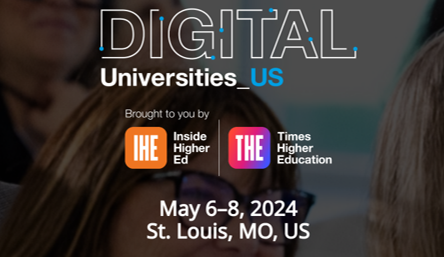
Connect the Dots Managing Director, Brenda Hampel, has been invited to participate in the 2024 US Digital Universities conference hosted in collaboration with Washington University in St. Louis, Missouri in May.
Digital Universities US was introduced in 2021 as part of our Digital Universities series. These agenda-setting events have enabled us to build a growing global community of thought leaders working at the intersection of academic innovation and technology.
Co-created in partnership with Inside Higher Ed, sessions at Digital Universities US are curated by our editorial team – which includes Doug Lederman, co-founder, and Colleen Flaherty, senior editor at Inside Higher Ed – to ensure we cover the latest topics in digital transformation within higher education.
Onboard new hires like a CEO? What would an “executive onboarding experience” look like and how could it impact your new hires’ engagement levels? Per Gallup, 88% of employees don’t think their current organization is good at onboarding and 76% of HR professionals don’t think they are doing a good job at onboarding employees. Robust onboarding addresses organizational challenges–attracting top talent, increasing engagement, boosting productivity, and reducing high turnover.
Here are six strategies borrowed from executive onboarding that you can implement immediately to quickly build organizational knowledge and key relationships and deliver timely feedback to adjust and avoid negative turnover.
Employees at all levels are dissatisfied with their onboarding experiences, and the cost of replacing them has never been higher; however, there are some “bright spots” of best practices that tend to show up for the highest-level leaders, like CEOs.
Audrey Jarre, Head of Learning at 306Learning, put it plainly:
“A mere 12% of employees agree their organization does a good job of onboarding new employees. What’s more, if your organization isn’t among the ones that get onboarding right, it’s likely your new hires will be hunting for new jobs before you can say pro-ba-tion.”
We are not suggesting that all components of senior leader onboarding translate to the rest of the population, but here are some scalable strategies.
Strategy #1: Make it personal.
No CEO or senior leader would appreciate a generic onboarding experience, so why put your new hires through one? Try one or all of the following to make your new hires feel welcomed and expected:
We worked with a client to create a virtual tour of their offices narrated by the CEO so that the new hires would have some familiarity with the environment before Day One. The video was on the new hire onboarding portal that we helped them create. The “tour” was a fun, unexpected extra feature added to what the new hires need to know in the pre-start phase of onboarding; and some new hires watched it several times, even sharing it with friends and family members. The portal also allowed the manager to add a personal welcome message which she simply recorded from her phone and uploaded to the site. These personal touches helped the organization’s employment brand stand out and kept new hires engaged and excited before they ever walked into the building.
Strategy #2: Don’t use a firehose approach.
Too often, new hires are inundated with tasks, training, and meetings in the first weeks which makes it difficult for them to really absorb the knowledge they need. They forget who they met with during the first week and can miss key onboarding information if it is not clear how it is attached to their roles.
Use these tips to combat the “firehose” approach:
Our client, Mark, benefitted from this approach when we helped his manager and HR partner build a realistic onboarding plan with “meet-and-greet” meetings that supported his plan’s objectives and timing.
An example was that he met 1:1 with other functional heads who helped him understand how the company measures success, how they make decisions, and how long he was “allowed to be new” in this organization.
Cultural learning during the first weeks on the job is priceless and this approach avoids early burn-out and costly missteps. If new hires are bombarded early with meetings, presentations, and deliverables, they can often miss the most important onboarding lessons.
This is Part 1 of 3 installments of our series, “Onboard Like a CEO: 6 Strategies from the Corner Office that Will Engage and Develop Your New Hires. Read about the next two strategies in an upcoming issue.
It’s wishful thinking to imagine difficult conversations will never arise in the workplace. As inevitable as it is uncomfortable, you’ll likely have to initiate a challenging conversation with a colleague sooner or later. Whether dealing with differing opinions, navigating sensitive topics, or addressing conflict, finding the right way to approach this tough task will help you improve the likelihood of a successful outcome.
When Are Challenging Conversations Necessary?
As much as you may try to avoid getting stuck in a difficult conversation, many issues within the workplace will not dissipate if they’re not addressed. Still, simply ignoring the problem at hand is the way that 53% of employees choose to handle a “toxic” situation. Only 24% of employees would choose to address the situation directly. Avoiding a challenging conversation can prolong the problem, lower team morale, and hurt business productivity.
For context, let’s imagine a scenario warranting a difficult workplace conversation. You and a colleague may share responsibilities–whether that’s managing client communication, handling administrative tasks, or producing certain deliverables–but you find them delegating tasks to you. Maybe they’ve started to hand off client onboarding, report generation, or other tasks they also should be managing. As your workload increases, finding the right way to discuss this imbalance with your colleague can help you remedy the situation and come to a mutually agreeable resolution. Without the right communication skills, you could be among the 49.7% of individuals who don’t report a positive outcome, such as increased stress levels, resentment towards your colleague, or lowered performance as you struggle to get all the tasks done.
Preparing For a Successful Conversation
Challenging conversations are difficult for a reason, but taking the time to prepare can help you effectively communicate your point of view without sounding accusatory or aggressive. Here are a few steps you can take to make the conversation productive and successful:
Difficult Conversations Pay Off
Even with the best preparation, tough conversations will never be fun. Still, they can have a significant, positive impact on colleagues and the larger organization. These benefits can include:
● Strengthening workplace relationships and fostering an environment of trust
● Clearing up misunderstandings or misconceptions
● Reducing workplace stress by de-escalating issues
● Improving productivity and collaboration by removing roadblocks
● Enhancing communication skills
Thus, individuals within an organization need to identify when there is an opportunity for them to address issues with a challenging conversation. Not only will they be able to seek a better outcome for themselves, but these colleagues can also drive valuable change within the organization.
For leaders who are unsure where to start tackling their team’s issues, Connect the Dots can help teams develop new tools to engage and be productive with their teammates.
Contact us to learn more about our team development and performance solutions.
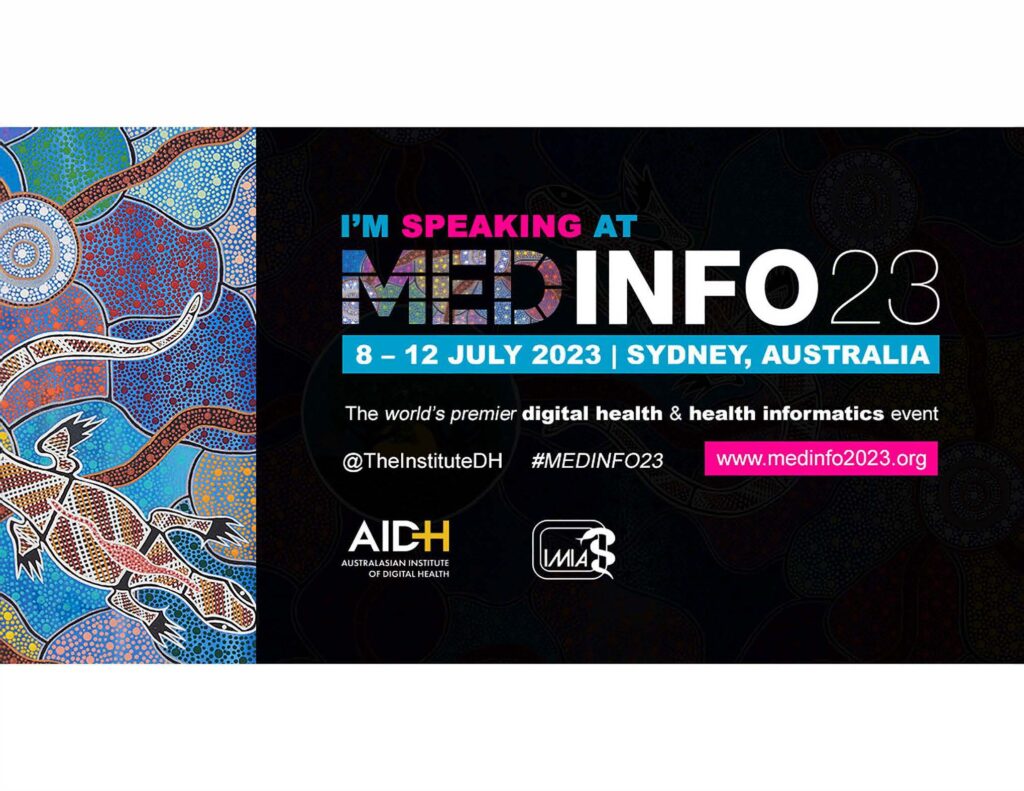
Brenda was part of a panel discussion with Washington University colleagues Andrea Kressel, Cynthia Marich, and Philip Payne, Ph.D. The panel topic is: The great disconnection: What leaders in academic medicine need to know and do to engage and develop talent.
Click to view her presentation.
How Organizations Can Address Current Challenges and Anticipate the Next Ones
There is a trend according to recent Gallup data that employees are feeling more disconnected, underappreciated, and burned out. The “false proverb” about work has been revealed and organizations must respond or face another round of turnover or quiet quitting. We tackled this tough topic in our recent CHRO networking event. Following is a summary of our discussion.
Discussion Points
Discussion Themes from the data:
All our participants agreed that the data supports what we’re seeing. And leaders don’t know how to respond or help their employees manage workloads and shifting priorities. We continue to have to do more with less and help our leaders lead in this environment.
Burnout has always been present, but the causes are what is changing. Some managers are “frozen” and don’t know how to help burned-out employees, especially those who are new to people leading.
Engagement surveys bring a “thread” of unfair treatment that may or may not be what most organizations are experiencing.
Mental health has become the number one cost driver in health care for most organizations.
Many factors are contributing to the “broken workplace” including that people are quicker to change jobs, there are five generations in the workplace, and added societal and economic pressures.
What is the role of the leader in employee’s well-being?
Leaders must play many roles – teacher, coach, parent, confidante and counselor.
Leaders are having conversations about “well-being.” This is challenging because we have conditioned leaders to stay away from personal topics to avoid legal issues.
We must help leaders get back to basics and focus on the things that are important – reduce the noise!
Need additional support?
As your leaders continue to stretch themselves to navigate new and challenging dynamics, coaching support can help them do so more effectively. CTD’s on-target® and quickconnect® coaching models give you the flexibility to invest in targeted coaching at any level.
Effective onboarding is another tool for organizations who want to differentiate themselves as an employer. Check out our solutions for leadership and all-employee onboarding that provide a branded, customized experience for your new hires. We welcome the opportunity to talk with you about your specific leadership development needs and a custom solution. For more information and to learn about our full range of other services, please visit our website.
Erika will be a featured speaker at the Gulf Coast Symposium on HR Issues address the topic: Onboard Like a CEO: Strategies from the corner office to engage and develop your new hires
Description:
Onboard new hires like a CEO? What would an “executive experience” look like and how could it impact your new hires’ engagement levels? Per Gallup, 88% of employees don’t think their current organization is good at onboarding and 76% of HR don’t think they are doing a good job at onboarding employees. Robust onboarding addresses organizational challenges – attracting top talent, engagement, productivity, and high turnover . You’ll get six strategies “borrowed” from executive onboarding you can implement immediately, including how to quickly build organizational knowledge; build key relationships and deliver timely feedback to adjust and avoid negative turnover.
Brenda will be part of a panel discussion with Washington University colleagues Andrea Kressel, Cynthia Marich, and Philip Payne, Ph.D. The panel topic is: The great disconnection: What leaders in academic medicine need to know and do to engage and develop talent.
Description:
Recent years have served as an accelerator for organizations to transform traditional workplace norms to more holistically support today’s workforce. Organizations can no longer argue that productivity decreases in the hybrid setting. Skilled knowledge workers in a healthcare and academic setting are in demand; if they are not entrusted to personalize and adjust their workdays, they will go elsewhere. To manage effectively, Peter Drucker writes, “means to face up to the new realities. It means starting out with the question, ‘what is the world really like?’ rather than with assertions and assumptions that made sense only a few years ago.”
Learning objectives:
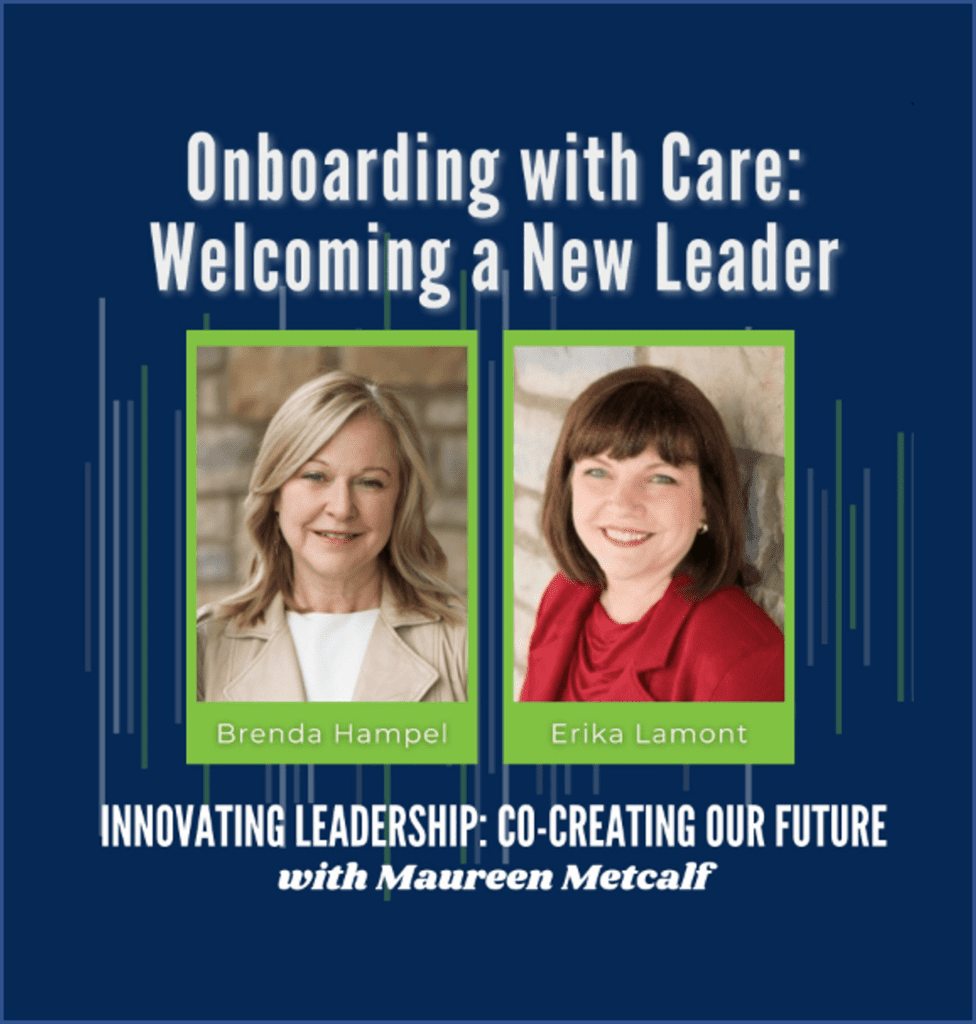
Brenda Hampel & Erika Lamont, co-founders of Connect the Dots Consulting, were recently featured on the podcast series: Innovating Leadership: Co-Creating Our Future as onboarding experts.
More than 40% of new leaders fail within 18 months. Why?
Don’t blame the leader; look at the organization instead! Most organizations don’t onboard a new leader well, if at all. They assume a person’s success at one company will automatically transfer to theirs – but there are far too many variables at play to bank on that. Instead, an onboarding plan that goes beyond HR protocols and benefits sign-up is necessary: a plan that considers company culture, history, team dynamics…even quality of life differences if the new leader is coming from out of town!
Brenda Hampel and Erika Lamont of Connect the Dots share tips, tricks, and outright wisdom from years of experience helping organizations maximize the success of their new leaders.
Here’s what Brenda, Erika, and host Maureen Metcalf cover:
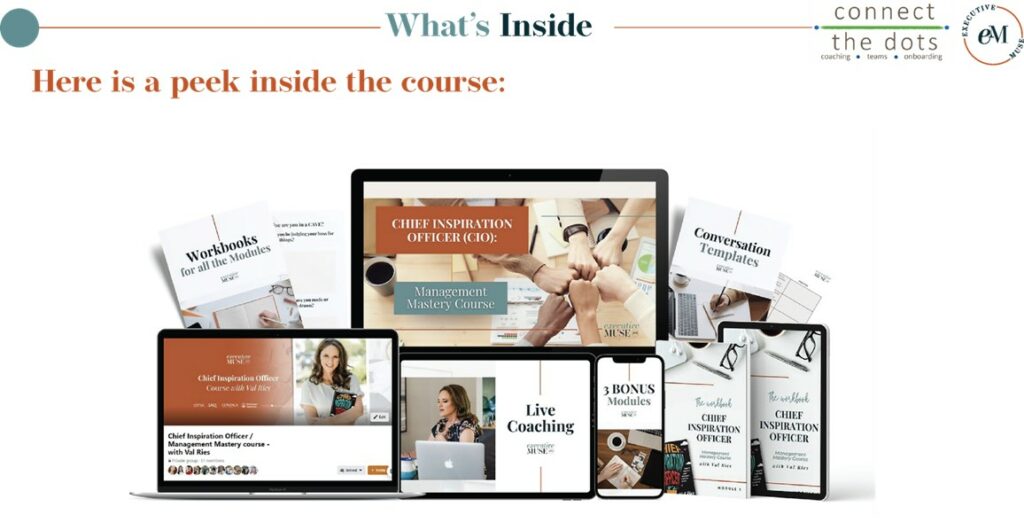
We are pleased to partner with Val Ries, author of Chief Inspiration Officer, to offer a Management Mastery Class for developing your leaders. We hosted a webinar to review the details of the program and offer pilot pricing. We are looking for a few qualified organizations to launch a pilot in early 2023.
Please check out the recording for more information and feel free to reach out with any questions.
Based on feedback Brenda Hampel, Managing Director, Connect the Dots received in her presentation at a recent conference, many organizations continue to look for effective ways to ensure their onboarding practices meet the expectations and needs of new employees.
Over 75 HR professionals attended her session “Disrupt Your Onboarding Experience,” designed to help participants:
The presentation included several real-time feedback polls to assess the current state of onboarding at participants’ organizations and help CTD tailor its content delivery. The following charts outline the feedback we received during the session.
Why “disrupt” your onboarding experience?
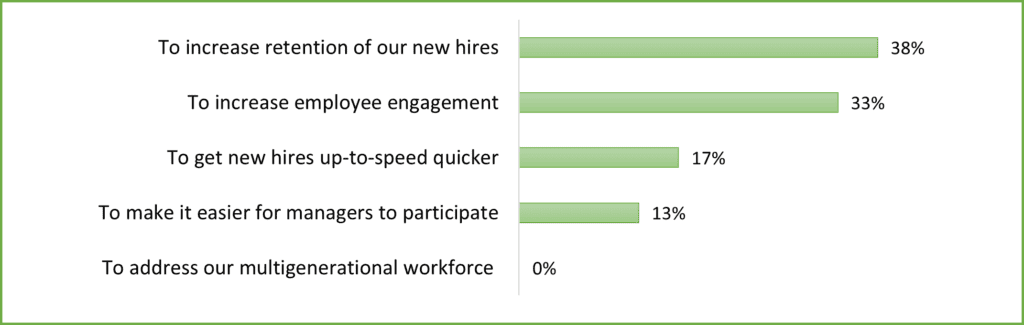
HR professionals in attendance were most motivated to improve their onboarding systems to increase retention of new hires and engage employees, and get employees up to speed faster (38% and 33%, respectively). Getting new hires up to speed and improving ease of manager participation were much less likely to be the drivers of participant’s onboarding focus. No participants indicated a specific need to address the multi-generational workforce with onboarding.
What is the current state of onboarding in your organization?
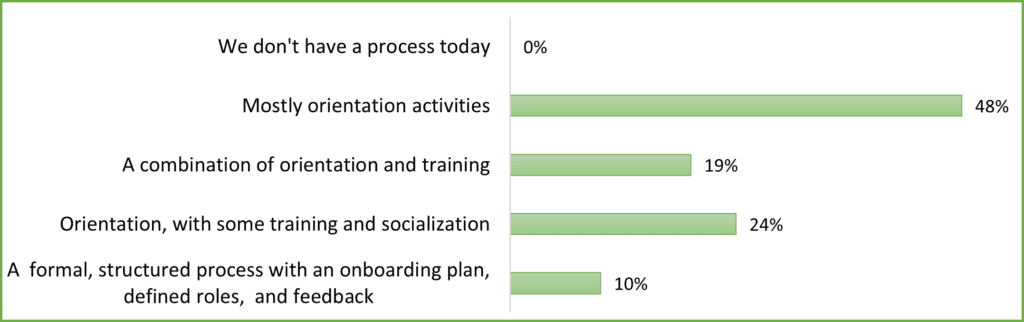
All session participants reported that they conduct some onboarding activities in their organizations; however, about half focused mainly on orientation activities. Nearly 20% also included training activities, and an additional 24% also include some socialization. Only 10% of respondents reported having a formal, structured process with an onboarding plan, defined roles, and feedback.
What type of technology are you currently using for your onboarding experience?
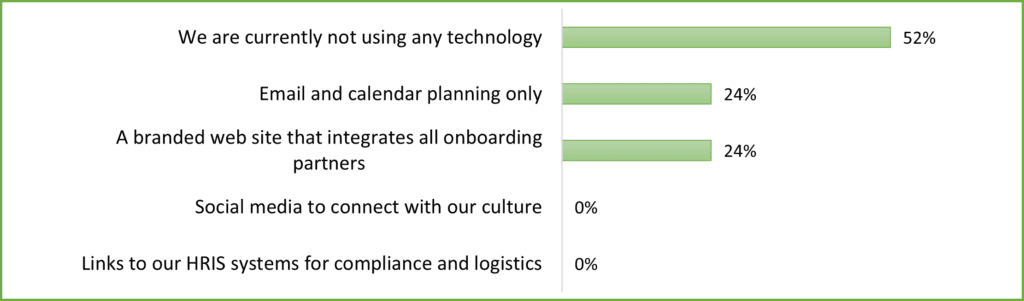
Over half of participants were not using any technology to support their onboarding processes. The remaining participants implemented a branded onboarding website (24%) or email and calendar planning only (24%). No participants reported using social media to connect with new hires or linking their systems to existing HRIS systems.
Your Onboarding Experience
Where is your onboarding program hitting and missing the mark? What best-practice updates can you make to better meet your organization’s needs?
Take a look at our onboarding solutions for the new hire as well as for new leader transition to see how we help dynamic companies effectively onboard their team members
Onboarding expert Jennifer Foster and CVS’s Learning and Talent Professional, Lois O’Brien were featured as presenters at the recent ATD Techknowledge virtual conference where they co-presented: Reimaging the Onboarding Experience: Using Technology for a Hybrid Workforce. Here is an overview of the topic:
The world has changed. Remote work, hybrid workforce, “new normal”—whatever you are calling it, it’s is here to stay. During this session, you will hear how CVS Health is using Connect the Dots’ onboarding technology to meet and exceed the needs of its new hires, regardless of geographic location or where work gets done. You will learn about the current state of onboarding, what new hires are asking for, and how to blend technology with key human interactions to create the engaging and consistent onboarding experience your organization needs to recruit and retain great talent.
Application on the Job:
You can watch and listen to their presentation by clicking on this link: https://players.brightcove.net/4684385851001/default_default/index.html?videoId=6297673188001
We are excited to show our newly developed Real Leadership Solutions Video!
Connect the Dots Managing Director Erika Lamont says: “We developed this short video to provide our clients and prospects with a quick overview of what we do and how we do it. We think it will serve as a great conversation starter.”
As leaders continue to navigate an organizational landscape of virtual, hybrid, and in-person work, they need new competencies to foster connection of their teams and employees.
Employees who feel undervalued or disconnected have been leaving organizations far more frequently in the past two years, and it is up to leaders to reverse this trend. In April 2022, we sat down with CHROs to discuss these ongoing challenges and best practices to address them. Following is a summary of our discussion.
Discussion Points
What conversations have you had with your leadership teams?
What are you hearing from employees?
What tactics are your organizations using?
Need additional support?
As your leaders continue to stretch themselves to navigate new and challenging dynamics, coaching support can help them do so more effectively. CTD’s on-target® and quickconnect® coaching models give you the flexibility to invest in targeted coaching at any level. Effective onboarding is another tool for organizations who want to differentiate themselves as an employer. Check out our solutions for leadership and all-employee onboarding that provide a branded, customized experience for your new hires. We welcome the opportunity to talk with you about your specific leadership development needs and a custom solution.
George Bernard Shaw said it best in his quotation about communication: “The biggest problem in communication is the illusion that it has taken place.”
The numbers are sobering:
So, what can organization and individual leaders do to address these significant gaps?
Communicate clearly and often to reduce the opportunities for frustration, disengagement, and performance challenges.
As we continue to adjust to our new work environments, employees are looking to their leaders for clarity even more than usual. Although leaders do not have all of the answers and are dealing with their own questions, establishing a regular cadence for communicating priorities and expectations and providing feedback is important. And, because most of our communication will be done virtually, by phone and email, taking the time to be deliberately clear is critical.
Establish (or re-establish) a regular meeting cadence with your team and each individual
Make yourself available to your team
Be aware of assumptions: They will throw you off track every time!

By not underestimating the power and impact of simple, clear and consistent communication, leaders and organizations will see the payback both immediately and over time. Regardless of the economic picture, market landscape or political environment, effective communication is a foundational component of a healthy and thriving organization.
We start with thoughtfully diagnosing the team’s current culture by using available data, assessments and interviews.
This provides the team leader with a clear view of what is getting in the way of the team’s success.
We design a series of structured team sessions that:
Measure progress by leveraging CTD’s team-connect Survey to: